
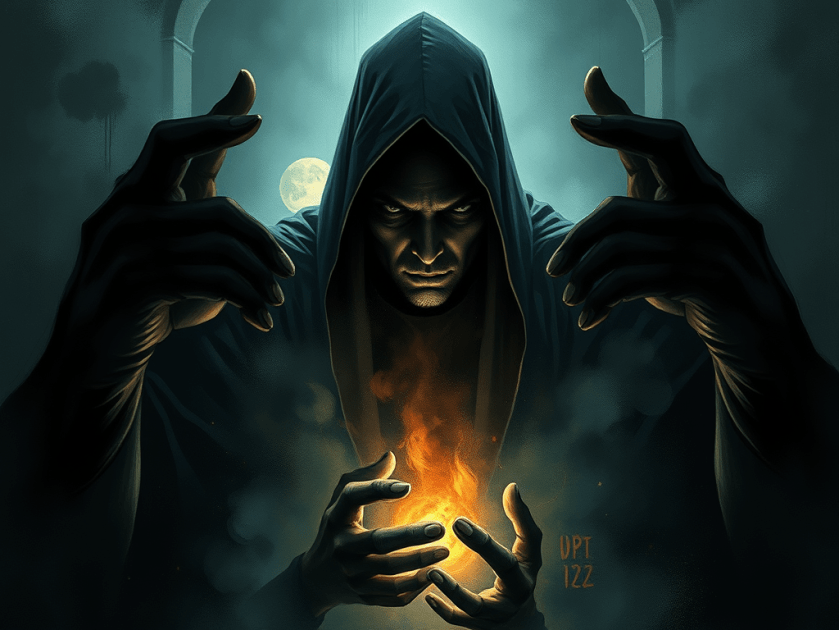
PGTOM is an acronym for the rare and elusive Psychological Gothic tragedy with occult metaphysics book genre.
“Sorry, can you say that again without the marbles in your mouth?”
“What on Earth,” you may ask, “is a Psychological Gothic tragedy with occult metaphysics?” Well, it is not a horror, not a romance, and in terms of Vampire novels, it is certainly not Salem’s Lot, Twilight, or True Blood. The PGTOM requires an explanation as complex as its name. Here’s how this book category lays down its pages.
1. The PGTOM book must have at its core
🔥 Psychological Catastrophe!
The central tension is internal destabilization:
- Identity erosion
- Moral corrosion
- The slow reshaping of a self under pressure
- A character becoming something he/she does not fully consent to
In terms of vampire fiction, this is not “will she choose him?”
It is “what is she becoming?”
Vampire books with characters suffering from internal destabilization are closer to:
- Dracula (psychological invasion)
- The Picture of Dorian Gray (moral decay as metaphysical event)
- Interview with the Vampire (existential corruption)
Than to:
- True Blood (romanticized power play)
- Twilight (romantic central tension)
2. Inner Conflict vs External Violence
🧠 Inner Conflict — Dominant
The tension lives in:
- Conscience vs survival
- Identity vs transformation
- Curiosity vs dread
- Agency vs seduction
The violence is symbolic and metaphysical before it becomes physical.
That’s Gothic.
🩸 External Violence — Present but Thematic
When violence appears, it isn’t spectacle.
It functions as:
- Consequence
- Revelation
- Ritual
It reinforces corruption rather than adrenaline.
That’s literary structure, not paranormal romance structure.
3. Is the Romance Central?
Here’s the key diagnostic:
If you removed the romantic dynamic, would the novel collapse?
From the opening:
- The male figure is a catalyst.
- But the real engine is her transformation.
That means:
The vampire is not primarily a boyfriend archetype.
He is:
- A metaphysical threshold
- A moral accelerant
- A mirror of appetite
That is closer to tragic Gothic than romance fantasy.
4. Tone Diagnosis
PGTOM tone is:
- Ominous
- Claustrophobic
- Philosophically curious
- Morally uneasy
There is very little flippancy.
Very little “look how clever she is controlling him.”
Very little glamour.
It feels like contamination, not empowerment.
5. The PGTOM audience alignment.
These books are be better positioned alongside:
- Dark literary fantasy
- Gothic horror revival
- Psychological occult fiction
Rather than mainstream paranormal romance.
Did this genre description remind you of any book you have read or film you have watched? Does the description of the conflict and the plot intrigue you?
If you want to explore the psychological Gothic tragedy with occult metaphysical elements in your next read, try Girl Desecrated.
Girl Desecrated is as an example novel that falls into this category.
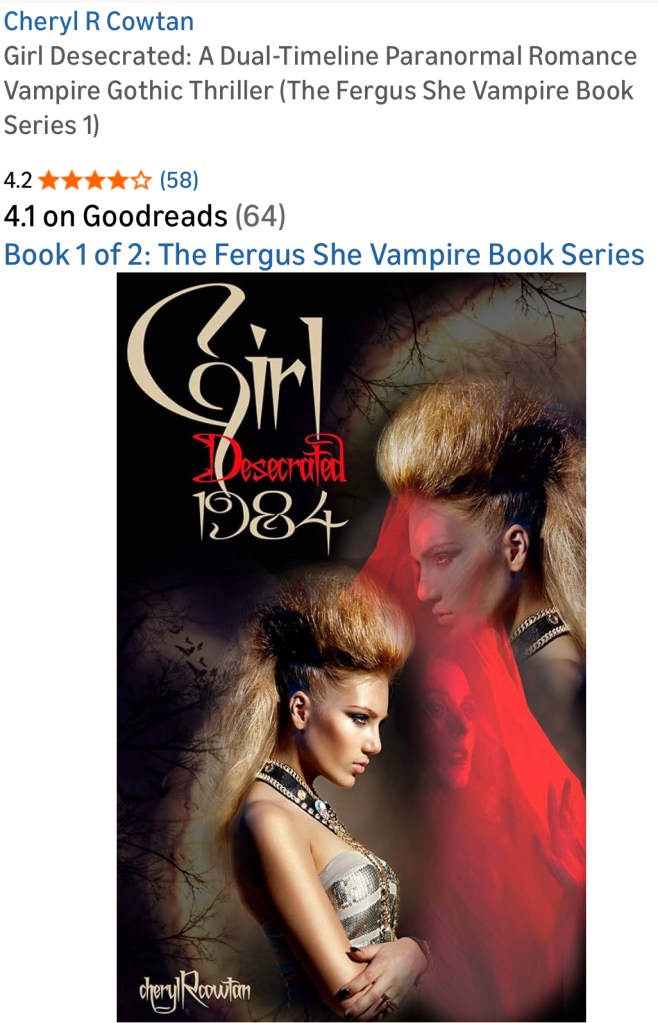
She thought she knew herself… until the ancient whispers began.
18-year-old Rachel is losing control. A powerful vampire ancestor has claimed her body, and with every passing moment, the darkness grows. In this gripping psychological thriller, reality bends, sanity crumbles, and the battle for her soul begins.
If you loved Interview with the Vampire, prepare for a hauntingly addictive journey.
Read Girl Desecrated Now.
 Gothic and Dark Fantasy Author